
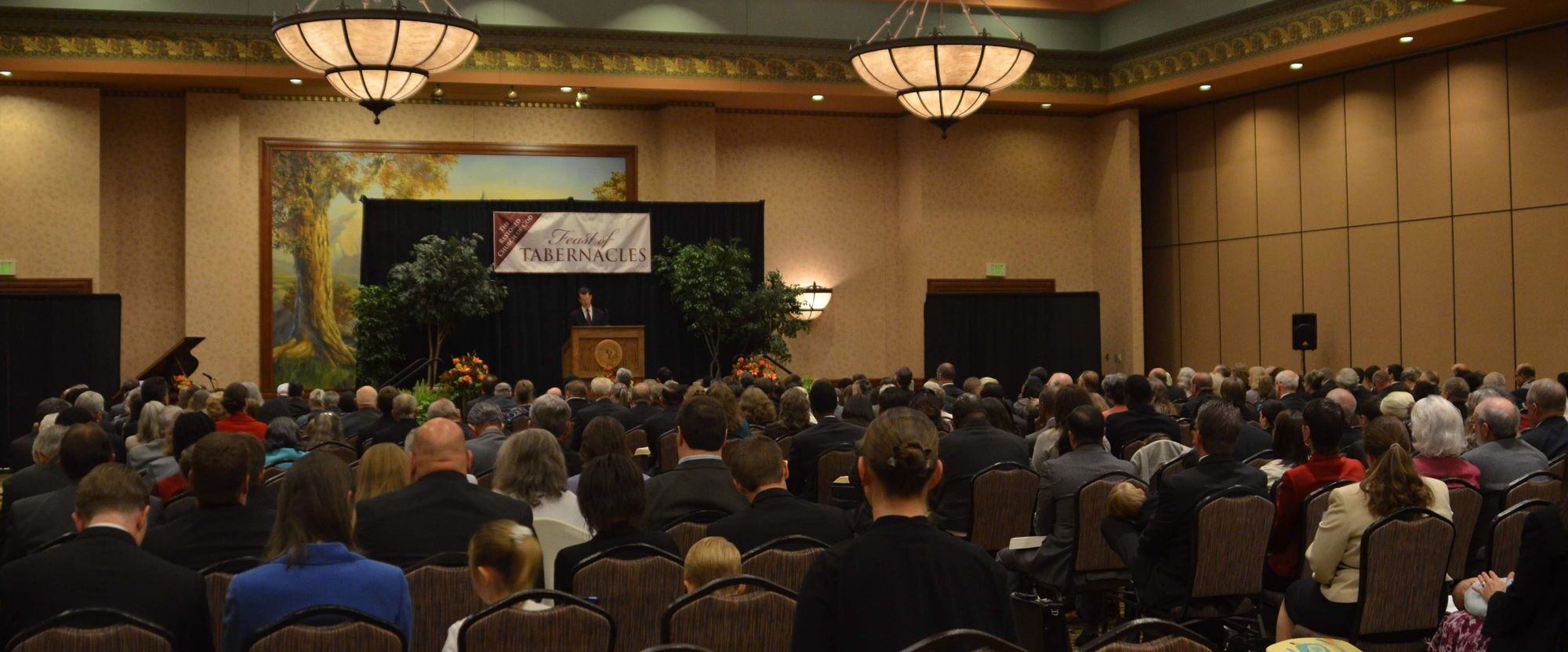
October 1, 2012, is a day I’ll never forget.
I was the main speaker for our morning church service. Our annual convention, the Feast of Tabernacles, was kicking off and it was the first day. For the membership, this event was a high point of our year. People had gathered from surrounding states. The mood was upbeat, and people were overjoyed to have congregated together.
Yet, as I started my sermon, I had a panic attack.
It was one of the scariest moments of my life. I was on stage in front of hundreds of people. And I was suddenly gripped in a series of feelings that I had never felt before.
Admittedly, I had no idea what I was experiencing at the time. There was an occasion or two before where I experienced some of this, but not to this level.
It was 10 years ago, and I remember it as if it was yesterday. I had no idea it was going to happen. I had spoken in front of large audiences many times before. It came on suddenly and out of the blue.
What I Was Feeling
My heart was beating out of my chest. I felt clammy. I began to sweat.
It’s hard to describe but there was a feeling of pressing, impending doom. A suffocating tightness in my chest. It was like my world and the room were closing in.
It literally crossed my mind that I had to walk off the stage. I wanted to run. But I couldn’t. Here I was in front of 200+ people.
Could people tell? I asked myself, as I simultaneously tried to keep delivering my message. Surely, they can tell.
Ninety grueling minutes. The structure of my sermon helped. Knowing that I just had to follow the outline. Get to the next series of scriptures.
Waves would come back throughout the message. But I kept going.
An hour and a half later, I got through it. I was exhausted and defeated. Yet I survived.
The Ripple Effects
As I walked off that stage around 12:30 pm that day, I felt relieved and scared. Relieved I made it through. Scared because I had no idea where this came from or what it was.
It shook my world. I had no idea what to do with it.
It undermined me in many ways. When would this happen again, I thought? It’s like it became some sort of lurking monster in the closet.
I never spoke to anybody about it. Not my closest friends (didn’t have many, to be honest). Not even my wife.
No Way Out
As I look back, a fair question is: Why didn’t I address this, then or later? Why didn’t I walk off the stage and deal with this?
I am sure there are many reasons, but I was in survival mode. I did not want to be humiliated. The concept of walking off the stage in the middle of a sermon would have been catastrophic, or that’s what I believed at the time. It would have been the talk of the Feast site. Frankly, it would have been the talk of the whole church. Since I was a “senior minister,” whatever that meant in hindsight, a PR campaign of some sort would surround my wife and my family.
There was no clean way out of this. So, in the end, I concluded I had to work through it, and by work through it, I knew that meant ignore it, bury it, lock it away. Survival mode.
For years, I didn’t even feel I could speak to my wife about this. Not that she wouldn’t have been supportive. It’s that you didn’t talk about things like this because they didn’t happen to God’s people, spiritual people, normal people…so if it happened to me, then I must not be those things.
The Ecclesiastical Climate
To provide some context, from a church culture perspective, talking about anxiety or having a panic attack or even emotional health in general, was not acceptable. It just “wasn’t done.” To be open about one’s mental health, or worse, emotional struggles, would never happen.
See, God’s spirit is one of a “sound mind.” And, if you don’t have a sound mind, well, then you are in trouble. You’re weak. You are not close enough to God.
Then there was the additional level of being in the “ministry.” There was this pressure to be perfect. Granted, we would all admit or say the words that nobody was perfect and that everyone fell short, including ministers. But, when ministers actually did fall short, or need help, it really wasn’t accepted or supported, and it was seen as weakness and shortcoming, plain and simple.
So, what did you do with any weaknesses you had? You covered them. You buried them. As deep as you could.
You didn’t address them. You sent them as far down as possible, and you piled as much stuff on top as you could, hoping they wouldn’t surface too often.
The Chronological Context
In 2012, I had been absolutely run ragged. A campus (or, more properly, a compound) was being built.
The church had received large sums of money due to new teachings from the leader. In 2008, the infamous “Clarion Call” sermons were produced. This essentially laid out a timeline that led brethren to believe they should give all their money before Jesus returned. (Incidentally, the range of time given at that time explained that it was impossible for Jesus to return after 2021. He would most certainly arrive before 2021. That, evidently, didn’t happen.) But by 2011, the “Common” doctrine was instituted. An even more disgusting and onerous financial doctrine was yoked upon the necks of church membership. It was now doctrine for the Church’s apostle to tell people to sell all and send it to him. And many did, perhaps most did.
By 2011, the Church had bought land. By 2012, construction had begun. It was an incredibly stressful time. My youngest son was born in July of that year, and instead of looking back with joy at that time, I instead don’t remember much of his birth or first few months. It was marred by stress and constant turmoil and worry. Within that same timeframe, I was present during an instance that occurred to my brother, in a roomful of grown men, that I will never forget and for which I wish I had said something. It is and will always be one of my most vivid and awful life memories. (Perhaps that’s content for another time.)
It got even worse in the years ahead, but that, too, is a topic for another chapter.
The simple point? It was an incredibly stressful time.
The Mask
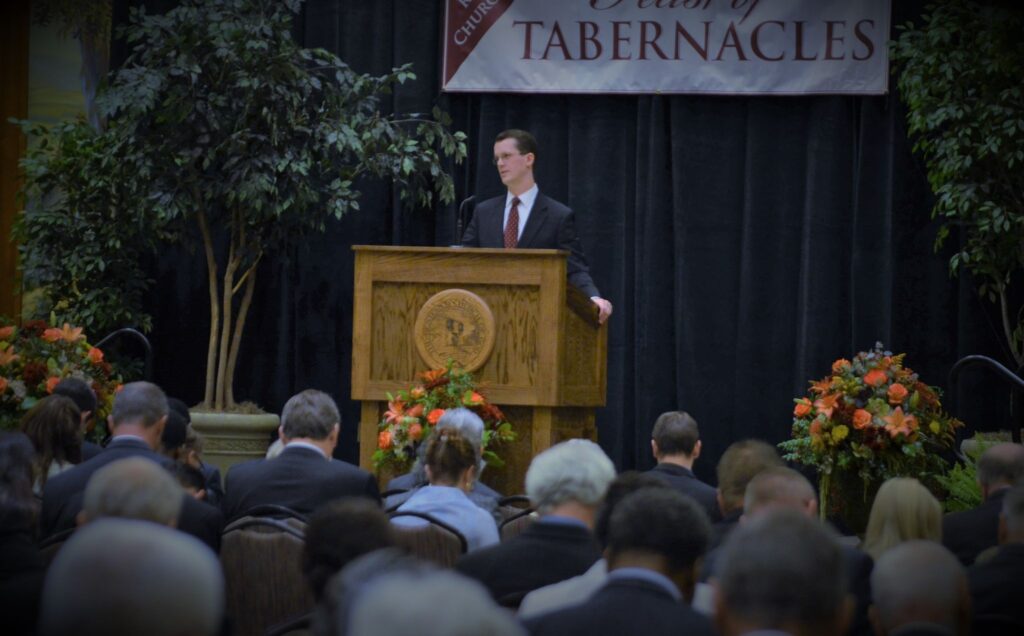
Ironically, I have pictures of this very event when I had this panic attack (included here). It’s fascinating for me now to try to look at them as an outsider and see if anything was going on. I don’t believe you can tell in the photo how close to meltdown I really was.
Like at no other point in my life, I had to keep the mask on. I had to play the part I was required to play.
See, this was all part of something I was thrust into in my 20s. I was told I was going to be a minister really early on. I had to step up. Be mature beyond my years!
I was always pushed to be somebody I wasn’t. I was too young-looking, I had to look older. I had to part and comb my hair a certain way. I had to stop wearing shorts around the lay members (mature men don’t show their legs!). I had to wear fuller dress pants, whatever that meant. I had to remove “youngish” ways of speaking. Etc. Etc.
Put on the mask, Kevin.
I did.
And it almost ruined me.
Authenticity Will Not Remain Buried
This panic attack was my mind trying to break out of the inauthentic existence it had found itself in. Cognitive dissonance was raging through my mind like an out-of-control wildfire. I just hadn’t learned to identify it yet.
It took me several more years to figure this out, but I did. On some level, as I write about this for the first time, I am still figuring it out now.
I would pay a lot of money to travel back in time to this event. I would talk to myself and explain what was happening. I would give myself permission to accept what was going on and guide myself in making steps to improve my situation. I may have even tried to convince myself to tell the brethren in that moment exactly what was going on. Despite the shock and the gasps, I’d be willing to bet that many in the room could have related. I would tell myself to open up to my wife about it afterward and receive her support, to not go it alone.
When you are in a bad place in life, your body and mind will respond.
The authenticity of you will not remain buried. And although I buried my true self so very, very deep, I am slowly uncovering each layer and getting back to the real me.

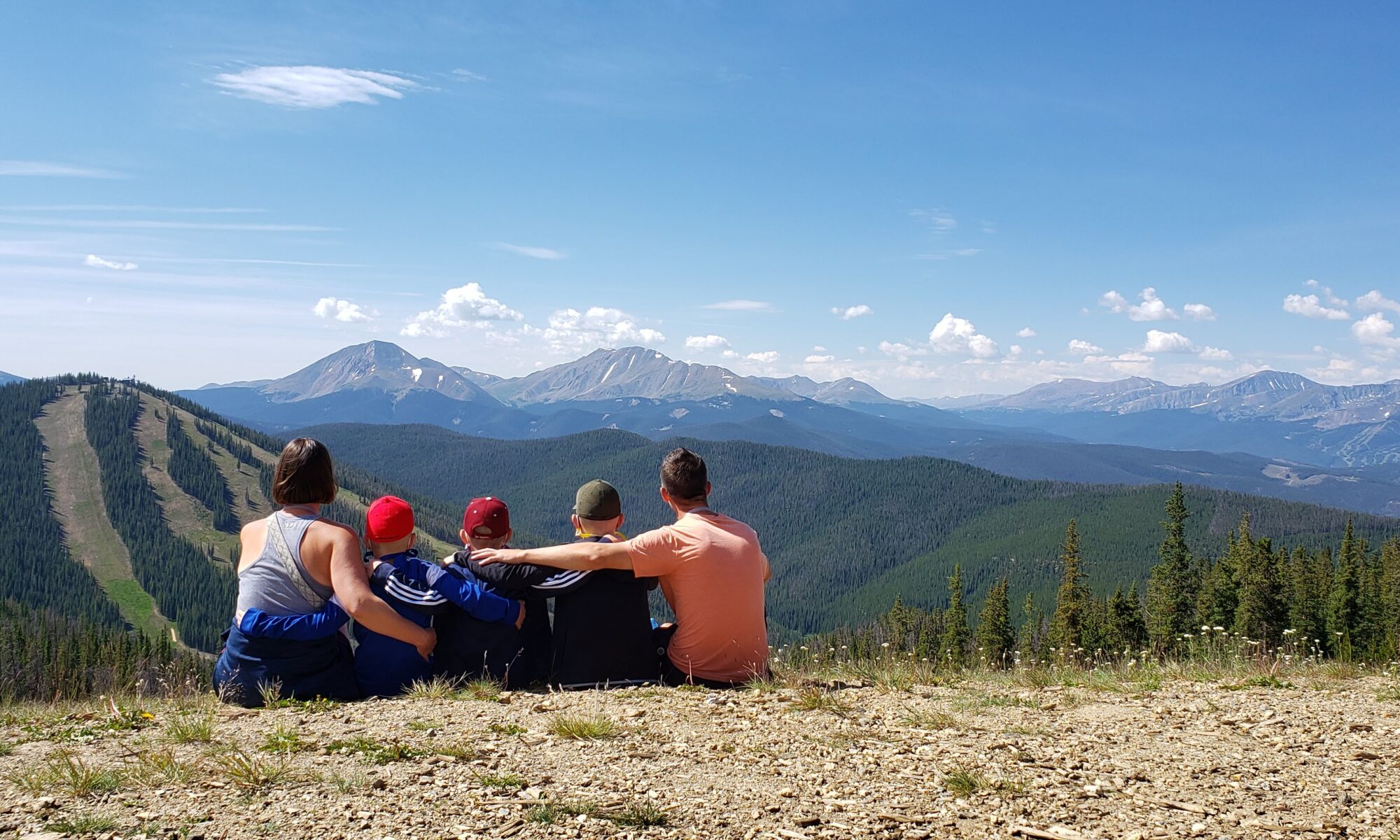


 I try to do this every day now. In fact, the picture that accompanies this post includes a project where I tried to take as many photos of sunrises and sunsets for one year. It’s something I don’t think I will ever stop doing.
 It was a small airplane. Three, maybe four, seats wide. I was on the window seat, and got there when the seat next to me was empty. Maybe it’s just me, but there is always a little nervous expectation of who will sit beside me. Within a few minutes a gentleman sat down next to me. I had learned many years prior to always engage people sitting next to me. I have discovered fascinating lives and learned much about humanity. For instance, I vividly remember speaking at length to a lady who was a nurse who had just come from Eastern Congo (we were flying from Nairobi to Europe) and the stories of suffering and rape that she expressed were incredibly saddening. That one flight made it more real for me than any 20 news stories.
 See, I have not always been willing to turn my car around. In fact, there have been times in my life, that I drove past somebody on the road and a part of me wondered whether they needed help. But very quickly, another part of me drowned out the other. I justified the situation away. The person was on a cellphone, so help is coming. Another person has already stopped, therefore they don’t need my help. It doesn’t look very serious; I have to get to my appointment. And a few minutes later, the whole situation passed from my rear view mirror and from my memory.
 I gathered up several empty water bottles and started looking for a way to dispose of the trash. I was having difficulty finding a garbage can. Suddenly, an older lady walked over to me and started gesturing at me. At first, I didn’t understand what she was trying to convey. She couldn’t speak English. I finally figured out that she wanted the water bottles. As I handed them over, she showed tremendous gratitude.